

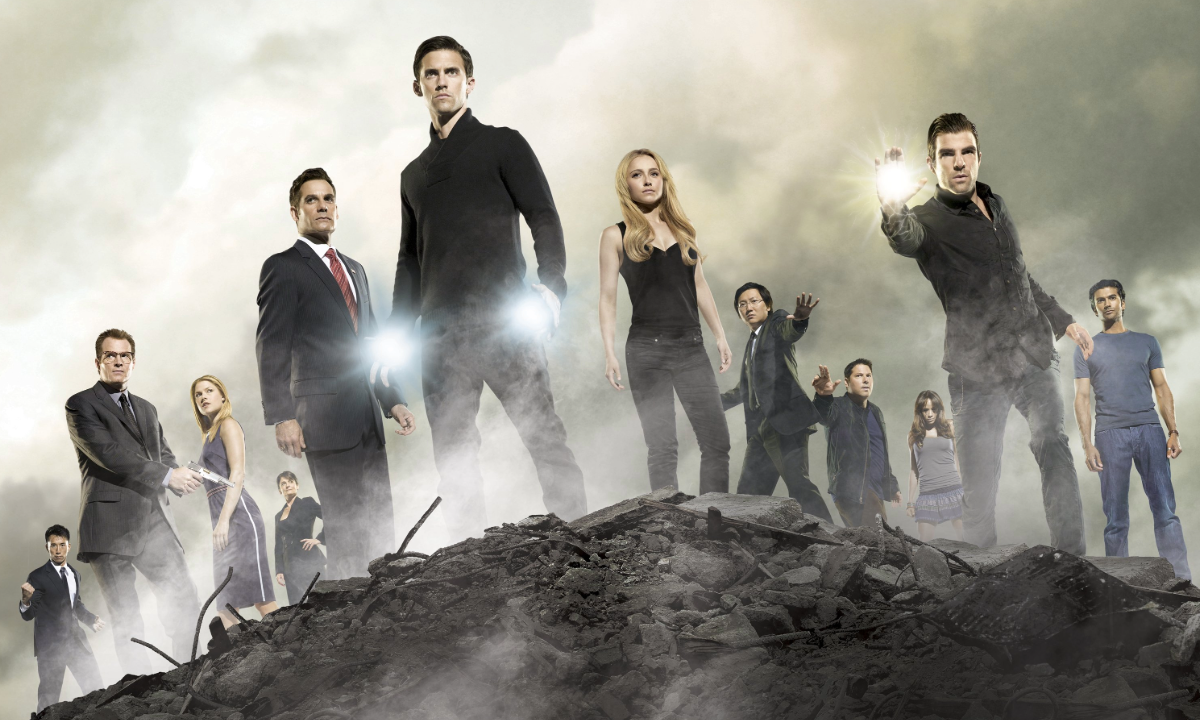
In 2006, a show seemingly came out of nowhere to take the world by storm, rivalling heavyweights at the time, such as Lost and 24. Created by showrunner Tim Kring, Heroes became an immediate worldwide phenomenon upon its release and maintained its success throughout its gripping first season. Back then, the line ‘Save the cheerleader. Save the world’ was inescapable, and you had this show to thank for it.
Despite it still being an enjoyable watch across its four-season run, issues outside of Kring’s control, ranging from writers’ strikes to network interference, gradually chipped away at the show’s overall quality, turning this once-popular show into a partially forgotten cult series.
Now, 20 years after it first aired, it only seems right to revisit this gem of 2000s pop culture and look at what made it great in the first place, whilst also showing the impact this series had on the wider TV landscape in the years since it went off the air.
Characters
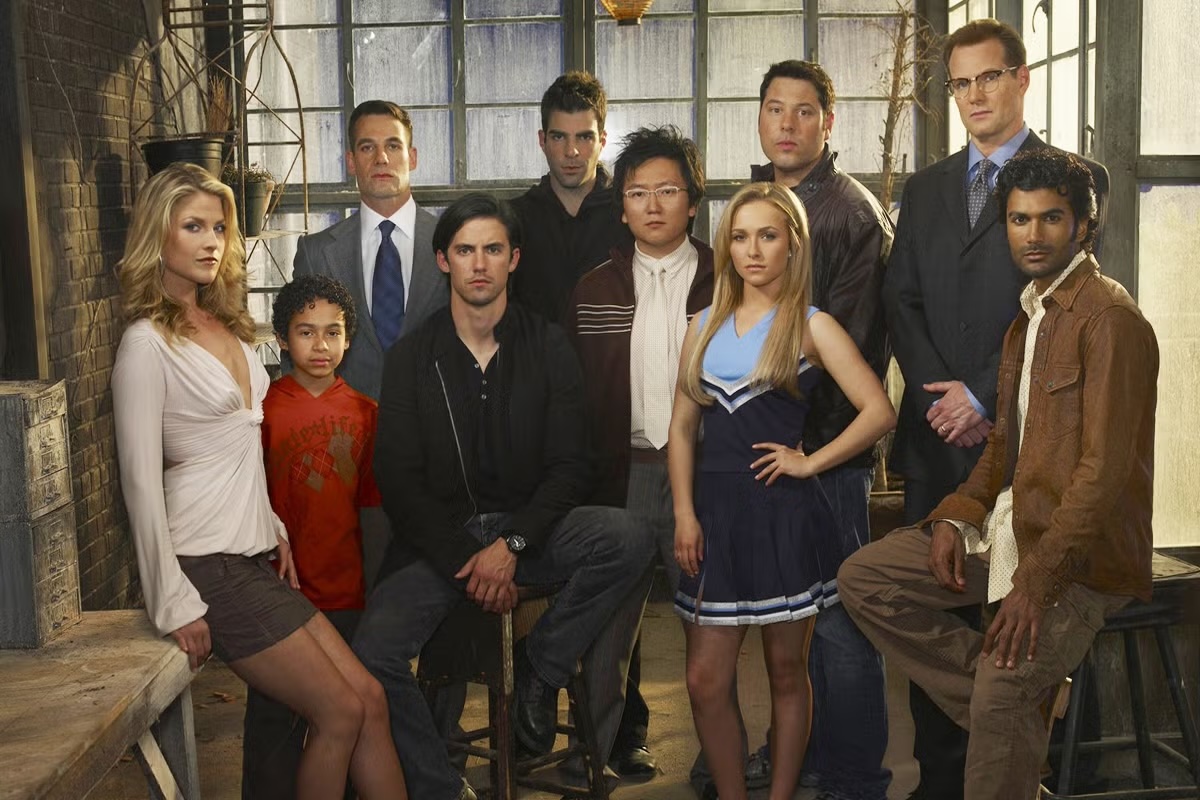
One of the core selling points of Heroes was its diverse cast of characters from different corners of the world, all dealing with their own everyday problems at the same time as juggling their newfound abilities. The idea of a show that revolved around normal people with extraordinary powers is what drew so many people to this show in the first place.
Due to the vast nature of these characters, audiences could easily connect with them because of their grounded, real-life struggles, with the superpowers being a fun bonus. Viewers would relate to whichever character’s issues resonated with them the most, giving them a clear entry point into the show that worked for them. Whether it’s Claire dealing with the social pressures of high school and loneliness, Mohinder coming to terms with his father’s passing or Noah and Matt, who are, in their own ways, attempting to deal with decisions that could severely affect their loved ones.
Balancing all of these characters’ core problems at the same time as addressing other themes, such as drug addiction and familial drama, to name a few, is no small feat. Kring consistently managed to keep each of their down-to-earth qualities intact, no matter how outlandish the situations ended up becoming for the overarching story at play for each season.
Storytelling & Genre Blending
In hindsight, Heroes was a very ambitious show in more ways than one. From the very start, the show established a storytelling formula that stuck around for its entire run. The individual storylines related to each character, which appear unrelated at first, would eventually overlap and join together at different stages, all building up to whatever explosive finale that season had to offer. This approach had never been attempted on a scale such as this before, and for the most part, it works incredibly well, delivering a palpable level of excitement and tension with every new episode.
This ambitiousness also applies to the mix of genres the show plays off of with each concurrent storyline and character, all whilst maintaining a tone and style unique to itself. These genres never conflict with one another, as every story has its own quirk courtesy of the relevant character’s power and, more importantly, the genres generally feel cohesive once the overarching threat of the season comes into play.
For example, in season one, Nathan’s storyline plays out like a political thriller as it intertwines with Nikki’s life-or-death dilemma, Hiro’s is very much a coming-of-age story at heart with a time travel twist to it, and Matt’s journey through the ranks in search of Sylar is essentially a police procedural murder mystery with a superpowered serial killer at the centre of it all. This approach would carry over into its second, third and fourth seasons with the introduction of new characters and possibilities. Whether it’s the immortal Adam that Hiro meets in 17th-century Japan, the unfortunate Maya who poisons people with a single touch, or the morally questionable Daphne, every character’s arc always feels distinct from one another, allowing fresh ideas to rise to the surface for future relationships and conflicts.
Comic Book Roots
Heroes always wore its comic influences on its sleeve quietly but firmly. From the variety of superpowers they cherry-picked for each person to having legendary comic book writer Jeph Loeb as co-executive producer for the series, Tim Kring knew exactly how to incorporate the elements he liked from the world of comics and put them into a realistic setting with engaging characters. It should also go without saying that the idea of giving gifted individuals a grounded sense of relatability harkens back to the fundamental characteristics that have made iconic superheroes such as Spider-Man, Daredevil and Superman fan favourites for decades.
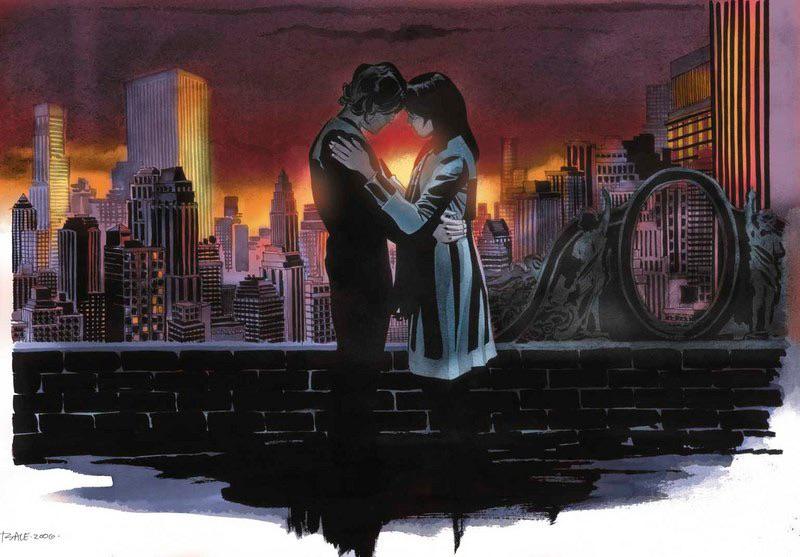
However, possibly the biggest connection between Heroes and the comic book world is with the inclusion of artwork by the late Tim Sale. His art became an integral part of the show’s visual identity and storytelling as it was cleverly worked into the narrative through the character Isaac Mendez, an addict and artist who becomes increasingly paranoid as his paintings predict the future. Sale is best known for his work on classic comics like Batman: The Long Halloween, Daredevil: Yellow and Superman for All Seasons, so the fact that they were able to get both him and Loeb on board from the start adds a level of credibility to the series for diehard comic fans, especially given the fact it isn’t based on any pre-existing comic book and was an original concept for the time.
Legacy
Though season four, along with its underwhelming sequel series Heroes Reborn, left a bad taste in the mouths of most fans for years, there is no denying that what Tim Kring created paved the way for comic book/superhero shows on TV as we know them today. The only other live-action superhero show that gained any form of success in the early 2000s was Smallville, which, popular in its own right, never reached the scale and impact Heroes did with its first season alone. Other live-action comic book shows were being released during this period, but a lot of them fizzled out after one unsuccessful season. As Heroes was an original premise, this made it easier for audiences to latch on to it from the beginning and potentially allowing fans to be open to any similar shows that were to follow.
If it wasn’t for Heroes’ initial impact and execution, then future hit shows such as The Flash, Gotham, Arrow and Agents of S.H.I.E.L.D. would have either never existed or could have taken a lot longer to come to fruition. Heroes also came out pre-MCU, meaning the idea of a big-scale superhero property with many interconnected characters and stories on screen was unheard of back then, so it wouldn’t be surprising if this show was seen as an example of what to do and not to do when dealing with this many variables at once.
During the show’s final years, as well as the lacklustre release of Reborn, it had become clear that Heroes’ day in the sun had sadly come and gone. As newer, more exciting shows stepped up to the plate and carried the torch for what superhero TV can be, the show that started it all slowly faded into obscurity. Nowadays, it is remembered not as fondly as it should be due to how it concluded, which is a shame, but it is also completely understandable to an extent. Putting aside its faults and the rose-tinted nostalgia, I personally think Heroes should be looked upon as a crowning achievement of what can be done within the TV format. It may not have been perfect, but it certainly led the way for a new generation of shows to thrive and evolve.
