

Spoilers ahead for Resident Evil (2026)
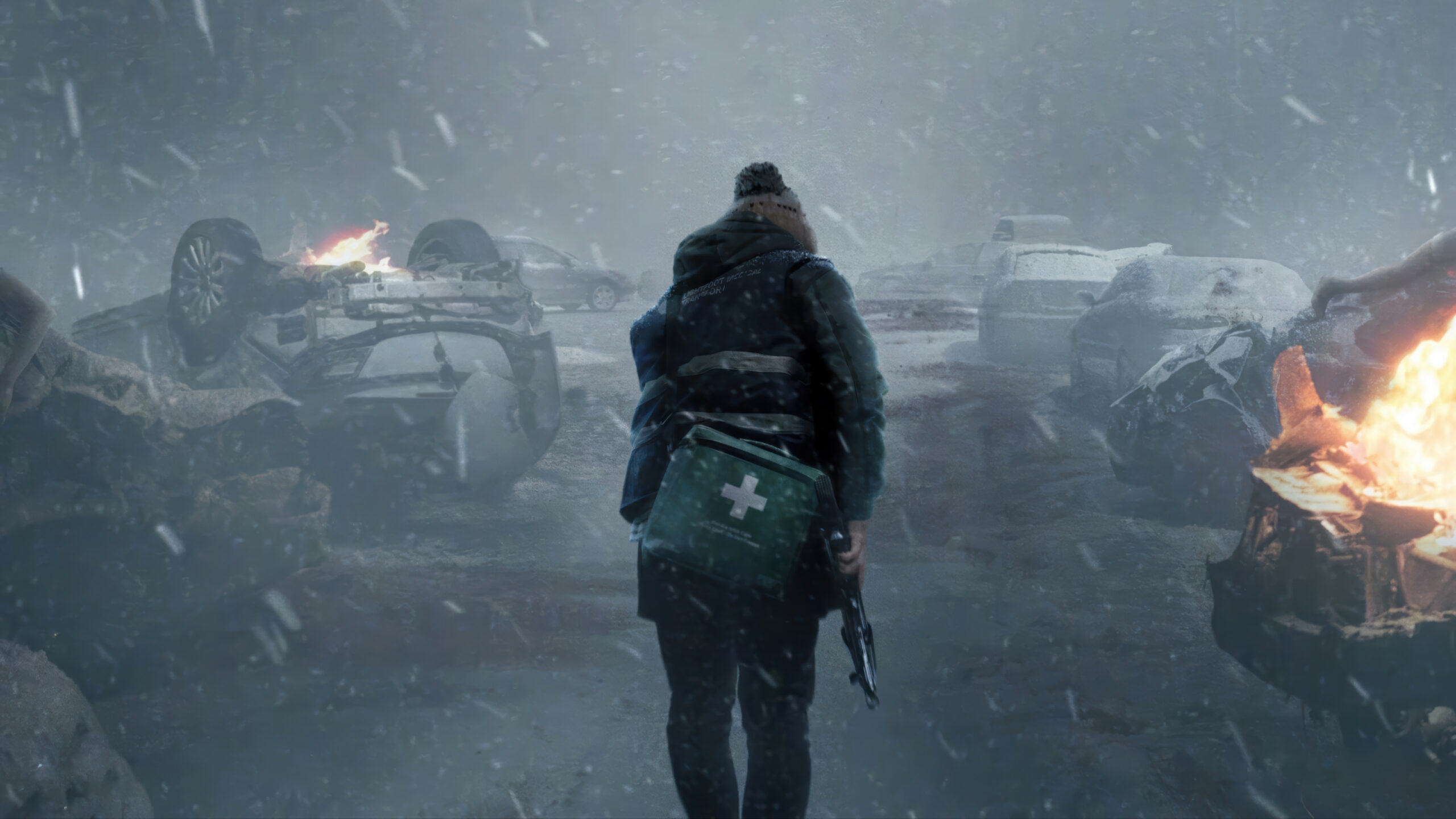
The Resident Evil franchise has had its fair share of misfires on the big screen, not through lack of trying. However, where the previous entries faltered, this new film from Weapons director Zach Cregger seems to right the wrongs of the past by delivering a tense, blood-soaked thrill ride that genuinely feels like a love letter to the games that came before.
Adapting video games into feature-length films has always been an uphill struggle for filmmakers and studios. Trying to walk that fine line between what to take from the source material and what new ideas can be introduced is where most video game movies usually fall short, regardless of how much or how little they make at the box office.
Thankfully, Cregger’s vision for Resident Evil is the first time in a while that said balance has been achieved. Rather than doing a beat-for-beat copy of one of the games or doing something completely different, Cregger has instead boiled down everything that makes the games so beloved and squeezed it into one singular film, which is really what a good video game film adaptation should do.
How does he do this? Well, here are just a few examples of how Zach Cregger made the perfect video game adaptation.
Inspiration
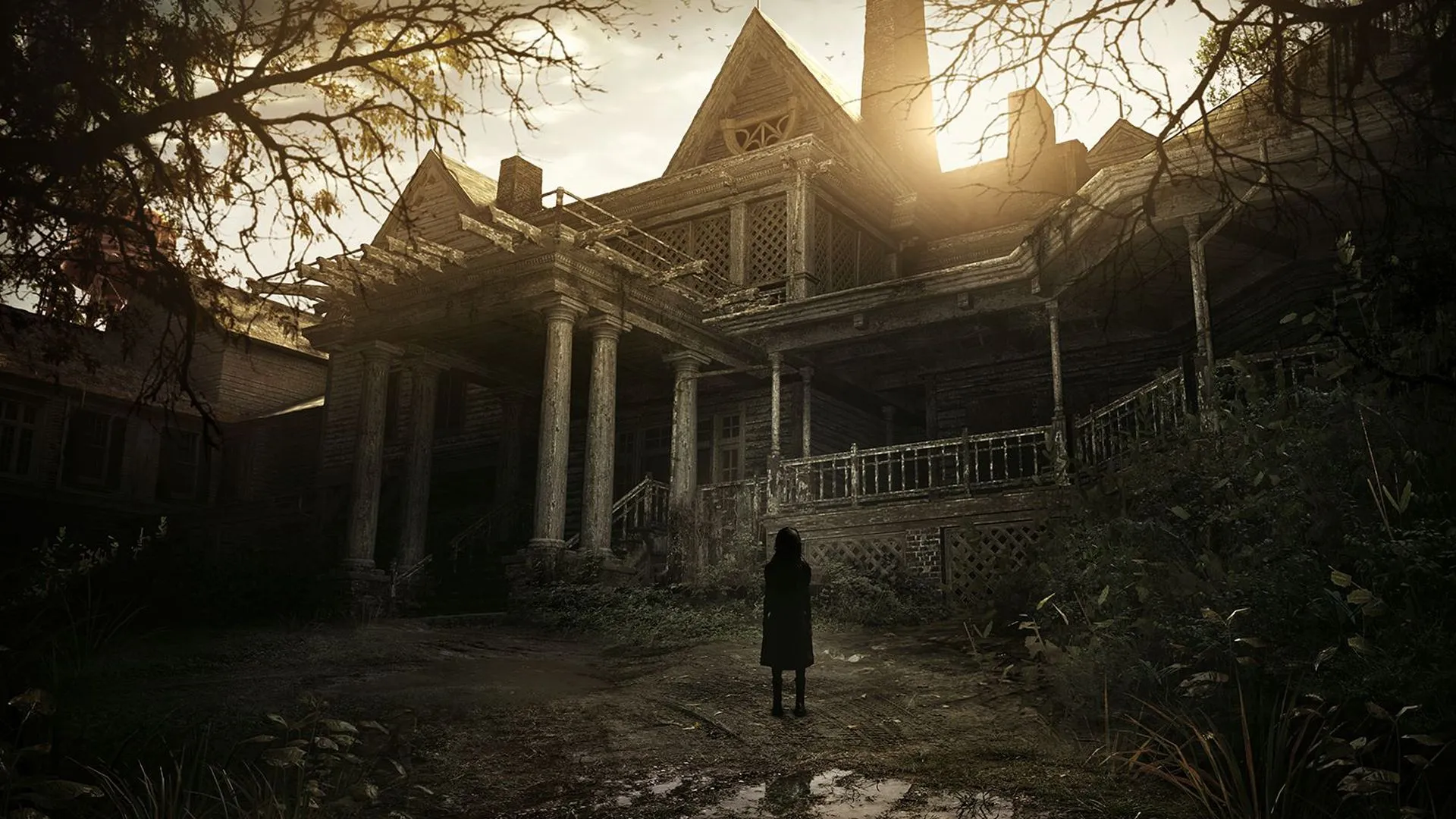
In many interviews, Cregger has confessed his love for specific games in the franchise, all of which are present in this film in some shape or form. Rather than taking whole characters, stories or locations from those games, what Cregger has tried to do instead is recapture the tone and atmosphere of previous games, creating what many have described as a Resident Evil greatest hits. Whether you’ve played the games or not, the film succeeds at scaring and unsettling you at every opportunity, but for fans of the franchise, there are plenty of visual and tonal cues that have deliberately found their way into the finished product.
For instance, the barnyard and house that appear at the start of the film share some similarities in layout and creepiness with those of the Spencer Mansion from the first game and the Baker Estate from Resident Evil 7: Biohazard. The first-person POV shots and snowy woodlands feel as if they’re ripped straight out of Resident Evil: Village, while the zombie-infested Raccoon City, where the second half of the film is set, captures the same widespread devastation and dread from Resident Evil 2 and 3. Not to mention the excessive body horror that is prevalent in every game and gets more intense throughout Cregger’s film.
The idea of recreating Leon, Jill or Claire’s story on the big screen may seem promising at first, but when the games already tell said stories so well, it’s refreshing to see a film come along that takes an original character and throws them headfirst into a Resident Evil-style setting that may look new to begin with but is all the more familiar once it dives deeper. Even the narrative structure of the film plays out like most games in the series anyway. Things start rather self-contained, with one or two zombie encounters whilst the character tries to get his bearings. However, as the character’s journey continues, they find themselves progressing from small, tense environments to eventually stumbling across something much bigger in scale and scope, as well as an Umbrella lab or two.
Game Mechanics
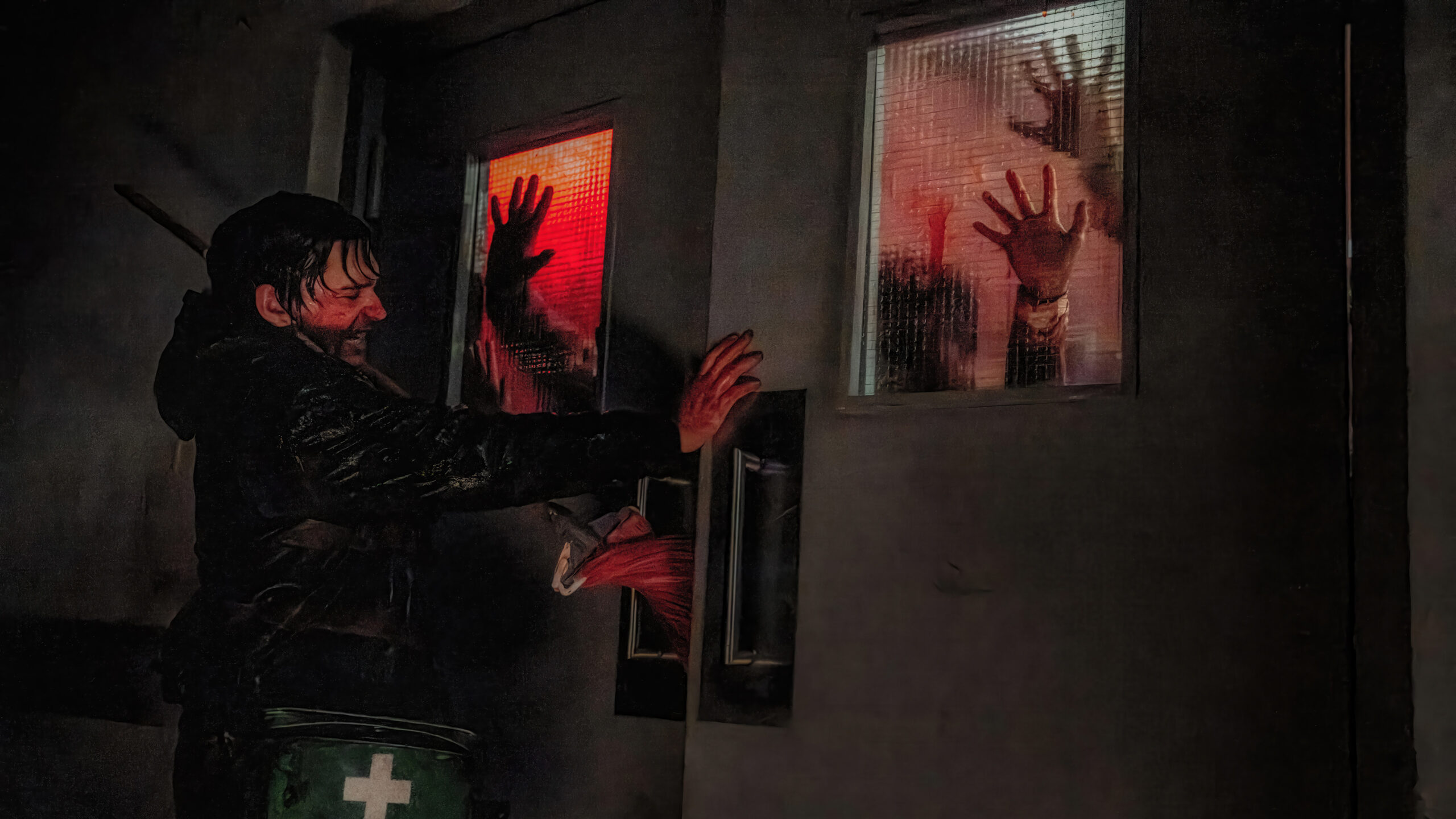
Resident Evil doesn’t just take inspiration from games within its own series; it’s a film that cleverly acknowledges and pokes fun at mechanics we take for granted in most video games while still having them work within the context of the film itself. Throughout the film, there are background elements that are clear nods to the items found in Resident Evil games, such as the first aid spray bottles in the barn, the typewriter in the house and the green herb in the abandoned car.
With that being said, there are plenty of other moments that are inspired by video games as a whole, including the aforementioned first-person POV shots that pop up at various points. Occasionally, the camera will hover behind the main character and move with him wherever he looks, mimicking a third-person video game perspective. Even the survival horror mainstay of searching high and low for ammo and resources is brought to life at one point in the film.
However, one recurring joke that appears in the film takes a jab at the long-standing tradition of a pathway being blocked behind a gate or fence that is padlocked. The main solution for most players is to shoot the padlocks open, something which only works about 50% of the time in a video game, and that’s something that’s also brought into the film. Out of the three padlocks our main character comes across, two are indestructible, and one does eventually break even if the main character misses on the first attempt.
Player Choice
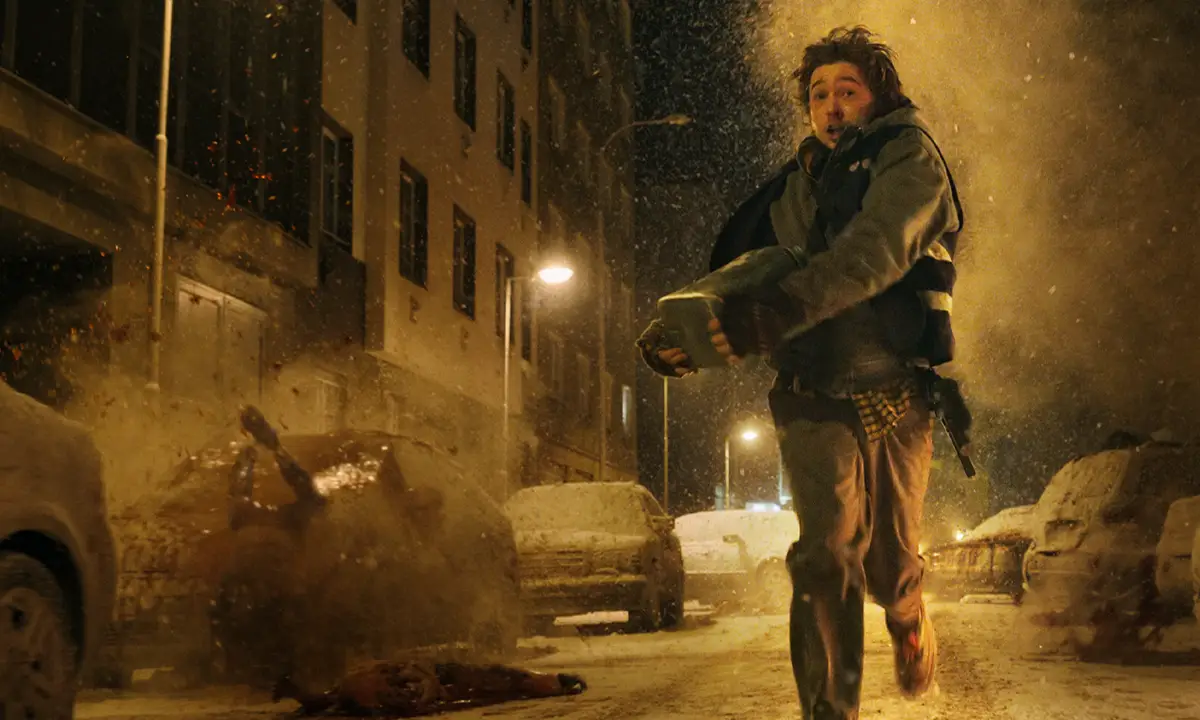
One of the more subtle elements that is utilised throughout Cregger’s film is the idea of player choice. In many horror video games, players are left with choices that could completely affect the rest of their journey. This could be choosing which dark alleyway to go down, which mode of transport to take or what weapon to use in a given scenario. At a few specific points, the main character is presented with some of these decisions and, for the most part, he chooses poorly. Even decisions that seem right in the moment, like ramming a truck into a fence that has an unbreakable padlock on it, end up being the wrong choice when the key for said lock drops out of the truck’s visor once its destoryed. Seeing alternate options once you’ve already committed to a path frustrates most gamers, and the film presents them rightfully with a sense of humour.
There’s also an underlying theme throughout the story that links back to video games and the Resident Evil series in particular. Even though the main character completes his primary objective, despite his constant poor decision-making and occasional clumsiness, he is still turned into a mutated creature by the end of the film. To some, this ending may seem cruel, but in hindsight, the character’s fate is a direct result of his actions, whether he realises it or not. It may be an unfair ending, but similar to many video games, if the player consistently makes bad choices during their playthrough, that usually results in them getting the bad ending. If players do things correctly and take the advice of characters they meet along the way, this results in them receiving the good or correct ending. The bad ending in video games is still an ending nonetheless, but it presents the worst-case scenario of your actions throughout the game, and the finale of Cregger’s film is a direct translation of that very idea.
Though other recent video game adaptations like The Super Mario Galaxy Movie or Mortal Kombat II are enjoyable enough because of the way they take characters and locations straight from the games and paste them directly onto the screen, that approach only works for existing fans of the games and doesn’t really bring much new to the table besides fan service. What Cregger has done with Resident Evil is something that will appeal to the old and new fans of the games, with a story at the centre that is original and has universal appeal.
Resident Evil is currently in UK cinemas.
