

format(webp))
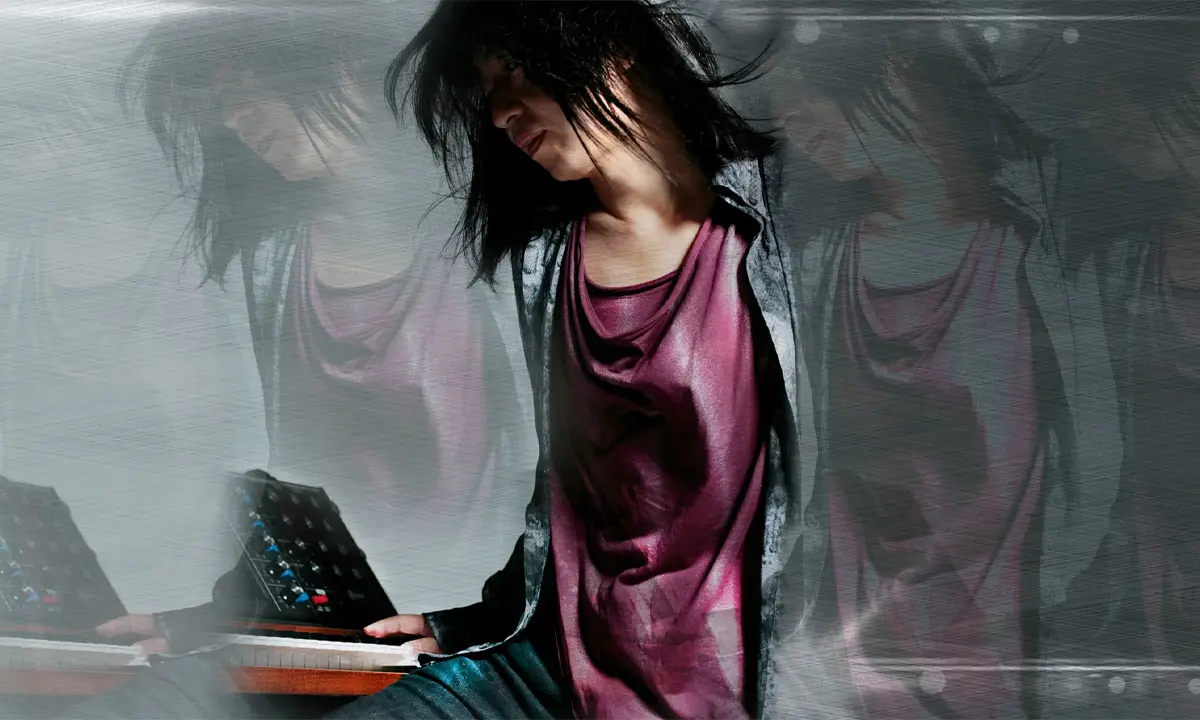
Renowned across the global anime industry, composer Yasuharu Takanashi has built a career on dynamic, emotionally charged soundtracks for some of the most popular animes in the world.
Whether blending hard rock guitars with traditional Japanese instruments or shaping the identity of Far East Groove, his approach to composition remains as distinct as it is influential.
Known for his most iconic work on Naturo: Shippuden, Fairy Tail and Bastard!! -Heavy Metal, Dark Fantasy-, he is now bringing his work on his first European tour!
Here at Get Your Comic On we were able to have an exclusive Q&A session with the legend himself where Takanashi shares insight into his compositional process, his artistic growth, and the vision behind his work.
What originally drew you to the path of composing for screen and media?
Was music a calling you pursued from childhood, or did your journey take unexpected turns before leading into the anime industry?
When I was in junior high school, I became fascinated by Ritchie Blackmore, and that inspired me to pursue a career as a musician.
After that, I worked mainly as a musician in bands, and at the time I never imagined that I would eventually be composing music for film and television.
However, when I was still virtually unknown, I composed the theme music for the martial arts event PRIDE.
That piece led people working in visual media to start asking, “Who composed this music?” and they began looking for me.
From there, little by little, I started receiving opportunities to compose music for screen productions.
Your signature sound is celebrated for pairing ancient Japanese instruments such as the shakuhachi, tsugaru-shamisen, and wadaiko – with high-gain electric guitars and heavy rock rhythm sections. What first inspired you to bridge traditional Japanese folk with hard rock, and what is the greatest challenge when mixing these two contrasting sonic worlds together?
I grew up in Asakusa, Tokyo, an area where traditional Japanese culture is still very
much alive, so traditional instruments were relatively familiar to me from an early
age.
Later, I joined a band called Musashi, which combined traditional Japanese instruments with rock, and that experience taught me a great deal.
Through working with that band, the Japanese sounds and the rock influences that
were already inside me began to blend together naturally, and I think that gradually
developed into the style I have today.
Traditional Japanese instruments often rely on specific modal scales, such as the In-sen and Yo scales, which carry a very different harmonic structure than Western rock and metal modes. How do you resolve those musical differences so the traditional melodies sit naturally over heavy power chords and riffs?
To be honest, it is not something I consciously think about very much.
For me, it just seems to happen naturally… somehow! (laughs)
Rather than approaching it theoretically and thinking, “I should combine these
elements in this particular way,” I think all the music I have listened to and all the
experiences I have had simply blend together naturally, and that is what produces
the end result.
When you receive storyboards or animation cues for a major battle or an
emotional character scene, where does your composition process begin? Do you usually start by finding a melody on the keyboard, building a guitar
motif, or laying down the rhythmic foundation first?
There are really many different ways it can begin.
Sometimes I start with a melody, while other times it begins with a rhythm or a
particular sound.
And sometimes, the entire “blueprint” of a piece suddenly appears in my mind
almost like a visual image.
Your battle themes in Naruto: Shippuden and Fairy Tail are deeply impactful and iconic – they convey complex emotions like grief, camaraderie, and desperate resolve alongside raw adrenaline. How do you ensure a fight cue elevates the characters’ emotional stakes rather than just mirroring the action on screen?
This also varies greatly depending on the work and the particular scene, so it is
difficult to give a single answer.
But I always think about one thing: “What kind of music here would reach the
audience emotionally?”
Rather than simply following the action on screen, I want the music to deepen the
emotions the characters are experiencing, as well as what the audience feels while
watching the scene.
In Fairy Tail, you expanded your folk palette beyond Japan by incorporating
Celtic elements like bagpipes, fiddles, and tin whistles alongside heavy rock.
What drew you to that Celtic sound for the guild’s world, and what was the
experience like blending those instruments into your rhythm section?
When I was reading the original Fairy Tail manga, the images kept expanding in my
mind, and the melody for the theme suddenly came to me. (laughs)
At that moment, I naturally pictured a medieval European-style fantasy world, so I
thought, “This absolutely has to use Celtic instruments!”
That idea led to the sound that eventually became the style you hear today.
And even now, I still consider this kind of fusion an ongoing experiment. I am
always searching for new combinations and new ways of expressing it.
Beyond epic shonen adventures, you have scored darker, deeply
atmospheric series like Shiki, Hell Girl (Jigoku Shojo), and BASTARD!! -Heavy Metal, Dark Fantasy-. How does your approach to harmony and
instrumentation shift when your primary goal is to build dread and
psychological tension?
Personally, I find a beautiful woman standing silently with just a hint of madness in
her eyes more frightening than a huge horde of zombies coming toward me.
So with Shiki and Hell Girl, rather than simply writing obviously creepy music, I tried
to express a quieter sense of madness and unease by allowing a beautiful melody
to gradually distort or become slightly unbalanced.
With your European tour alongside Far East Groove, you are bringing these
iconic anime scores into an energetic live band setting. How do you approach rearranging complex studio orchestral cues and digital layers into dynamic, high-energy rock arrangements for live club audiences?
Actually, even when I am first composing a piece, I already have in mind to some
extent that it might one day be performed live.
Of course, there are sounds and production techniques that are unique to a studio
recording, but at the heart of the music I place great importance on the energy that
comes from people actually performing it.
As for how that changes the music, I would really like people to come to the venue
and experience it live for themselves.
Fans across Europe have grown up with your music, from classic television
broadcasts to modern streaming releases. As you bring your music to
European stages, what message would you like to share with the fans
singing along in the crowd?
I have personally received so much musical inspiration from Europe, so the fact that
people in Europe now love my music in return makes me happier than I can really
put into words.
We will give everything we have on stage as a way of expressing our gratitude.
Whether you want to sing, dance, or simply listen and take it all in, I hope everyone
can enjoy the music in their own way and that together we can make it an
unforgettable night.
Finally, is there a manga you are currently reading that you would love to
create the score for? Or perhaps a Western film or television franchise you
would relish the challenge of composing for?
If someone would like to offer me the opportunity, I would be happy to work on just
about anything! (laughs)
I would love to take on more projects beyond Japan as well, including composing
music for European and other international films and television productions.
I would also very much like to actively pursue collaborations with European bands
and artists.
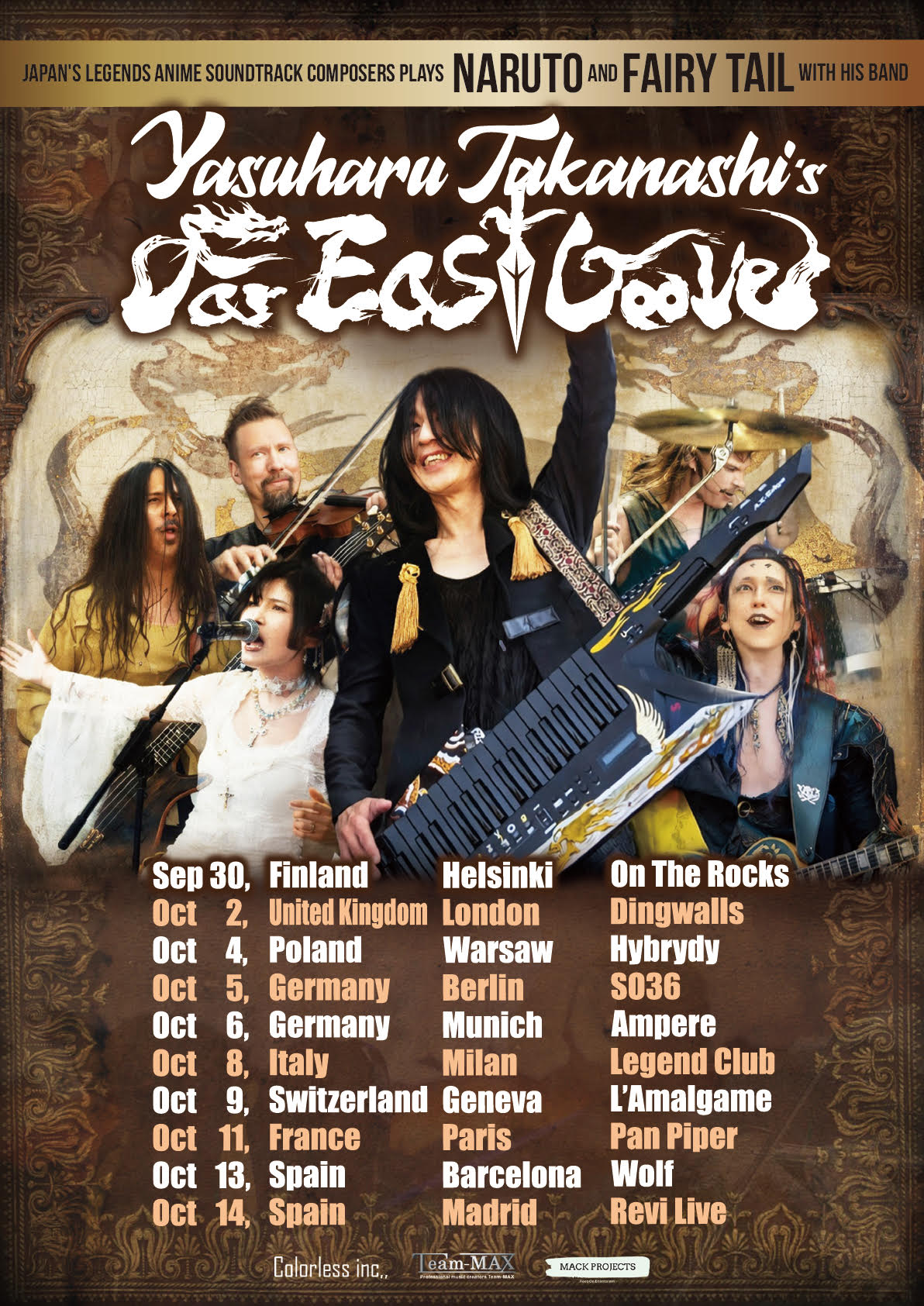
With limited venue capacities across the ten European locations, tickets are anticipated to move quickly for his tour. Full ticketing details, city schedules, and official updates can be accessed through the Dreamlight Labs Tour Hub, with direct London ticketing available via Snapticket.
Fans looking to revisit the discography ahead of the shows can stream Takanashi’s body of work directly on Spotify.
