

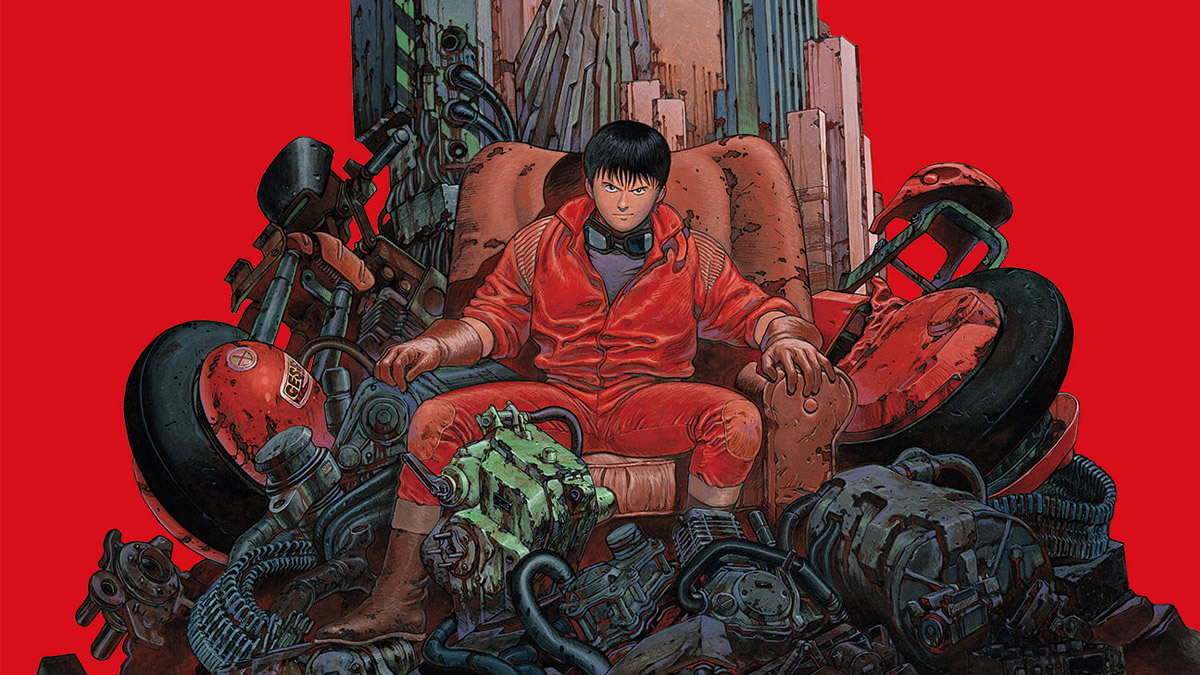
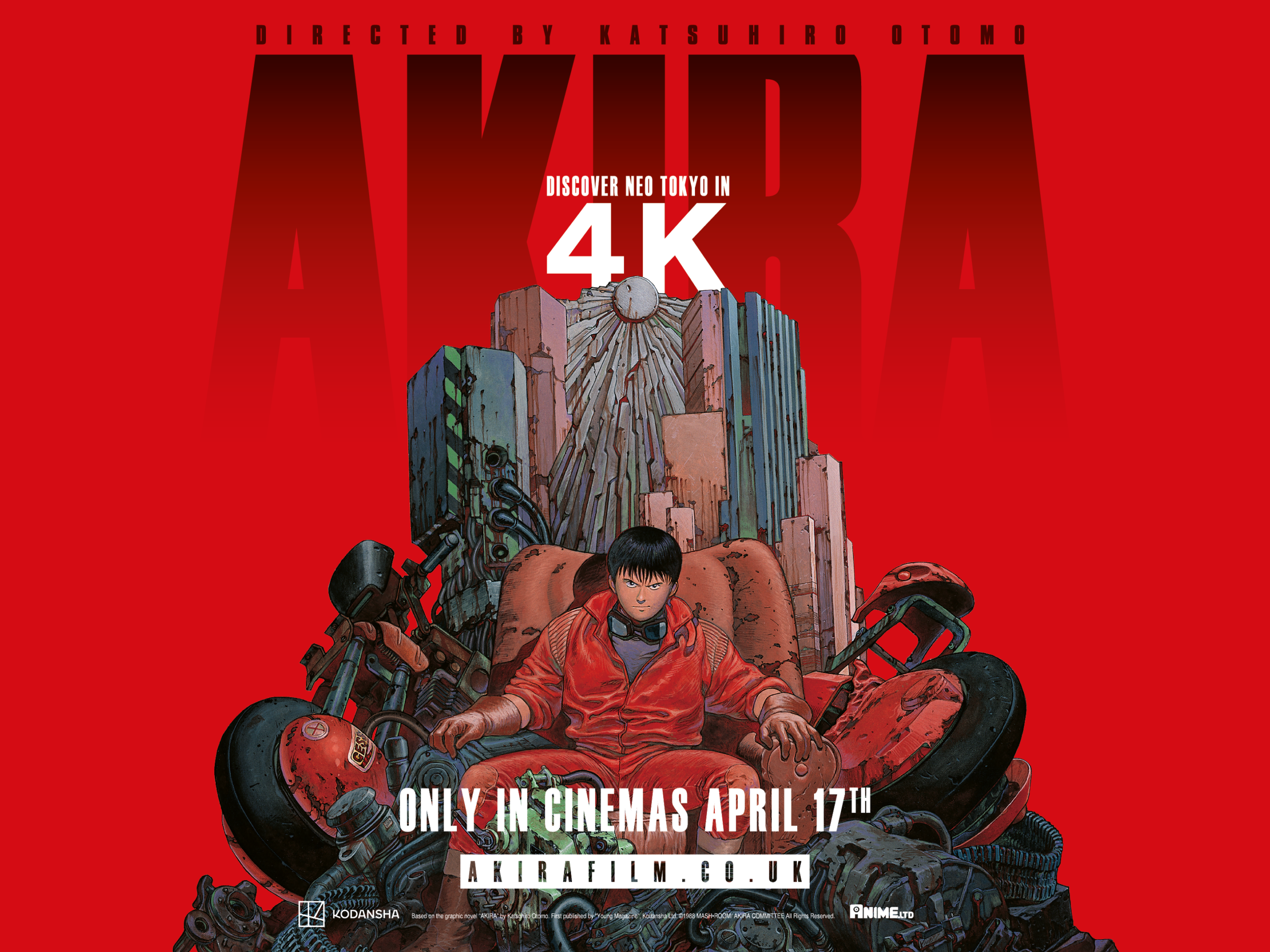
Akira releases in IMAX and cinemas in both Japanese with English subtitles, and English dubbed versions, from Friday 17th April.
Synopsis
Rebuilt from the ashes of World War III, Neo-Tokyo is a breathtaking, neon-lit metropolis where lawlessness and corruption run rampant. Racing through its streets are Kaneda and Tetsuo, two delinquents and members of a biker gang. When they crash into a secret government plot and Tetsuo is experimented on, the result is an explosive, mesmerising masterpiece of animation that would change cinema forever.
Review
When Katsuhiro Otomo’s Akira made it’s way to the Western world, it shattered the misconception that animation was solely for children. Nearly four decades later, the 4K restoration serves as a vivid reminder of what the world of cinema and the world of anime owe to this legendary film. Seeing this restoration on the big screen isn’t just a typical movie night—it’s a look back at one of the most influential films in history.
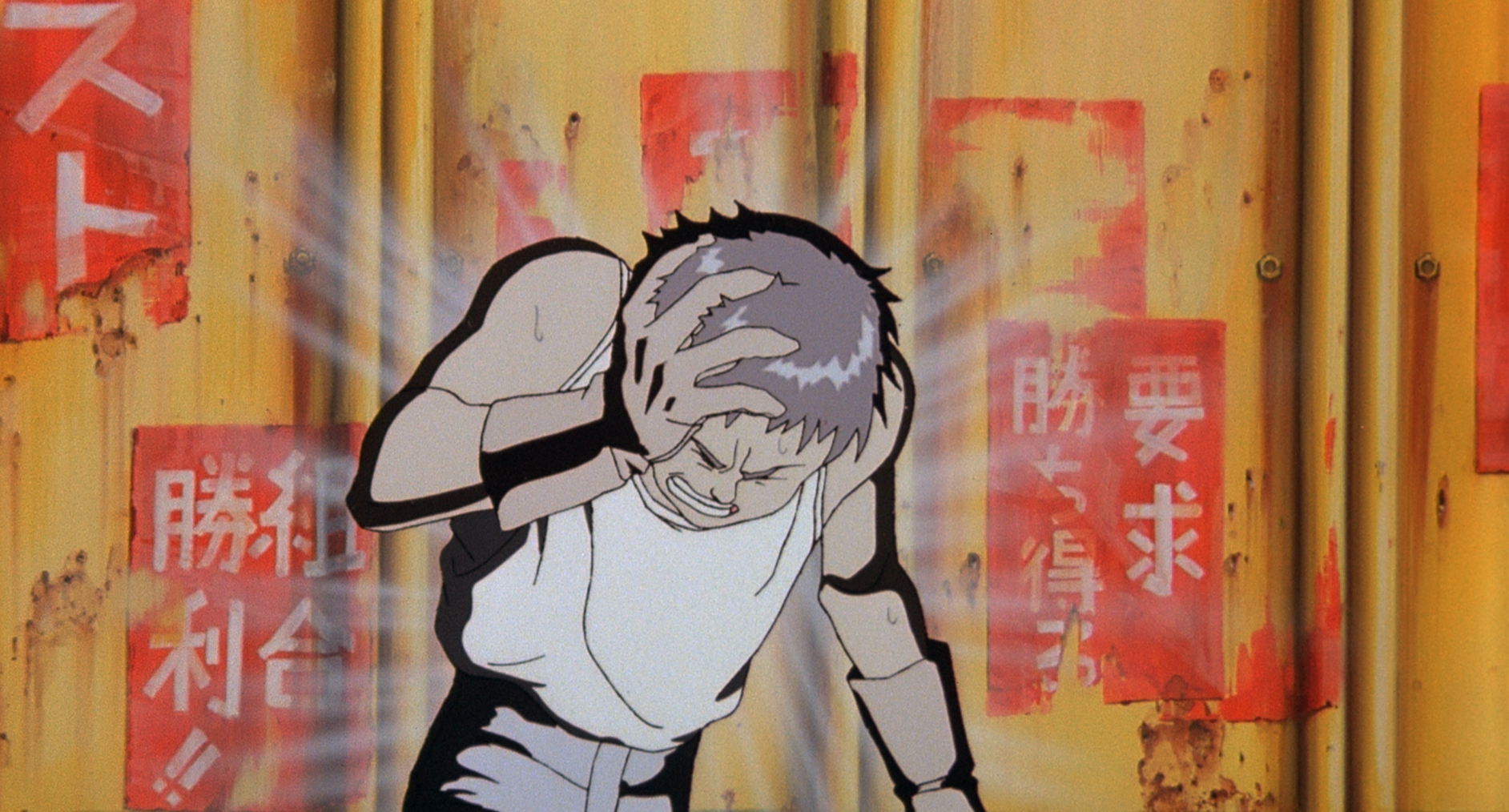
In an time where high-end animation often means computer generated over classic hand drawn, Akira stands as a love letter to the traditional style of animating. Watch any making of for Akira and you will see the intricate efforts to make all the frames leap off the screen and bring the city of Neo-Tokyo alive. The original production utilized over 160,000 hand-drawn cels and a record-breaking 327 colors, 50 of which were created specifically for this film to capture the specific glow of a dystopian night. Most impressively, the film frequently animated “on ones,” meaning 24 unique drawings per second. This results in a fluidity that feels almost uncanny compared to today’s animation techniques. When you see the light trails of the motorcycles or the gruesome, organic shifting of Tetsuo’s transformation in 4K, you are seeing the individual brushstrokes of hundreds of artists who worked themselves to exhaustion.
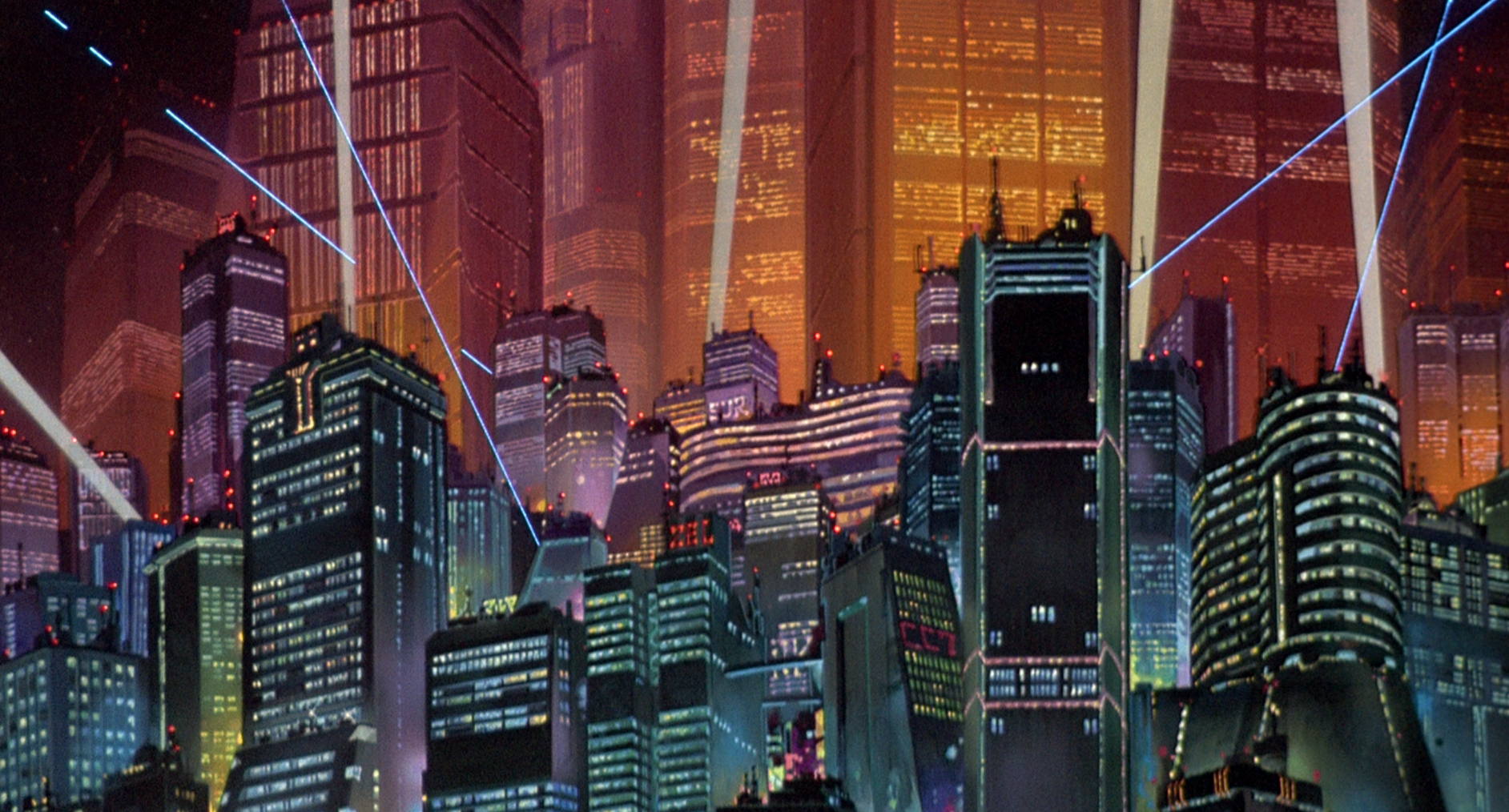
I won’t delve too deeply into the narrative, as everything that could be said about a film over four decades old has been said but I will cover the basics. The narrative is a tragedy set against the backdrop of Neo-Tokyo, a city built on the ashes of a Third World War and teetering on the edge of another imminent collapse. At its heart is the fractured brotherhood between Kaneda, a charismatic but tough gang leader, and Tetsuo, his insecure best friend. Their lives are upended when Tetsuo is abducted by a secret government project after a freak accident, triggering dormant psychic abilities that he is nowhere near emotionally equipped to handle. As Tetsuo’s power grows, it becomes a melting pot of repressed rage and unparalleled psychic energy, threatening to awaken “Akira”—the entity responsible for the city’s original destruction decades prior.
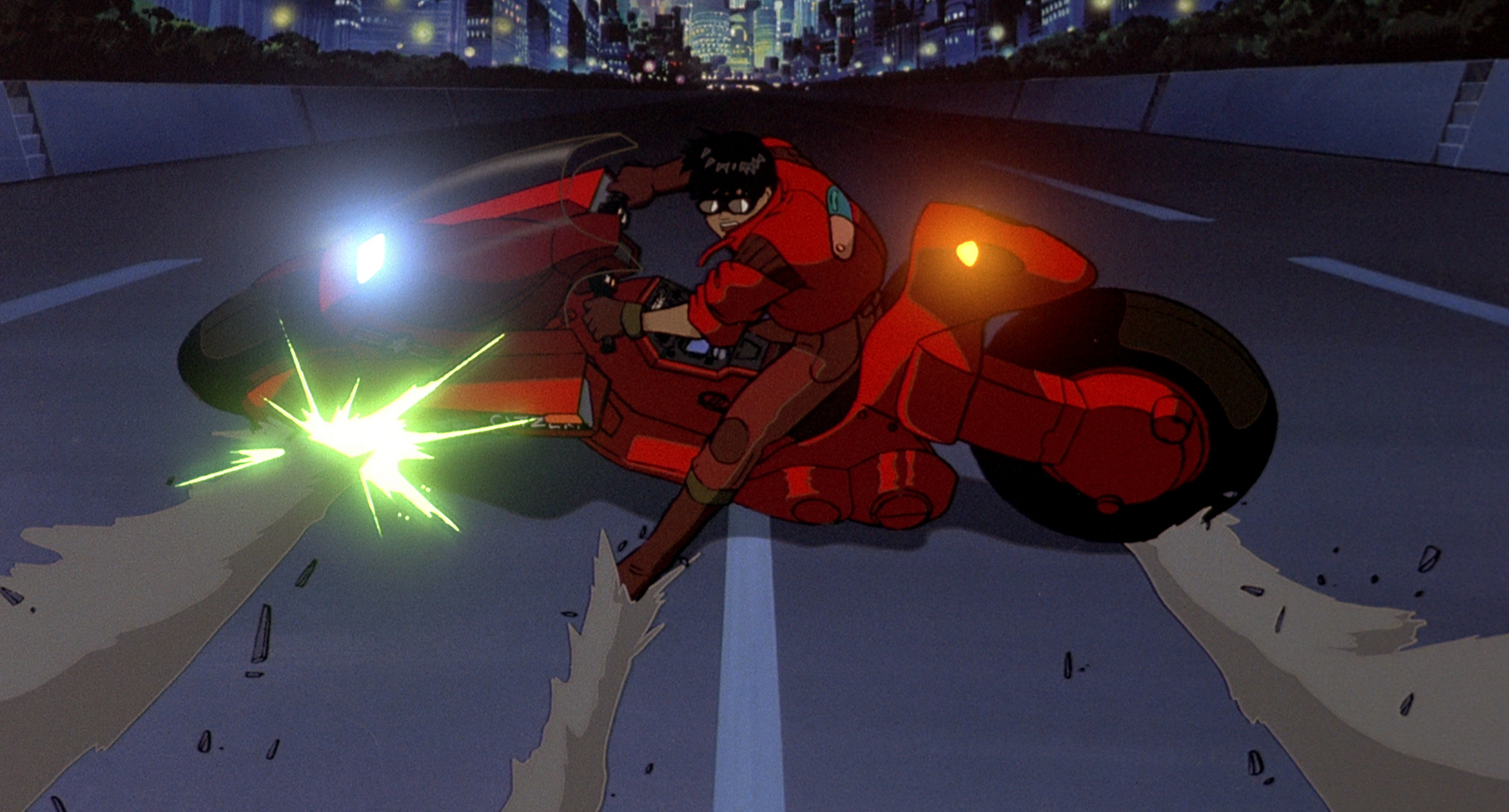
The 4K restoration breathes new life into the dying embers of Neo-Tokyo. The benefits of this work are undeniable. The color palette has never looked sharper or more pronounced; the iconic “Akira Red” of Kaneda’s bike pops with a depth of color previously lost to the fuzz of older formats. This visual clarity is matched by the remastered “Hypersonic” soundtrack. Geinoh Yamashirogumi’s score—a haunting mix of classic Japanese chanting and futuristic synthesizers—hits with a intense weight which only the depths of an IMAX cinema can produce.
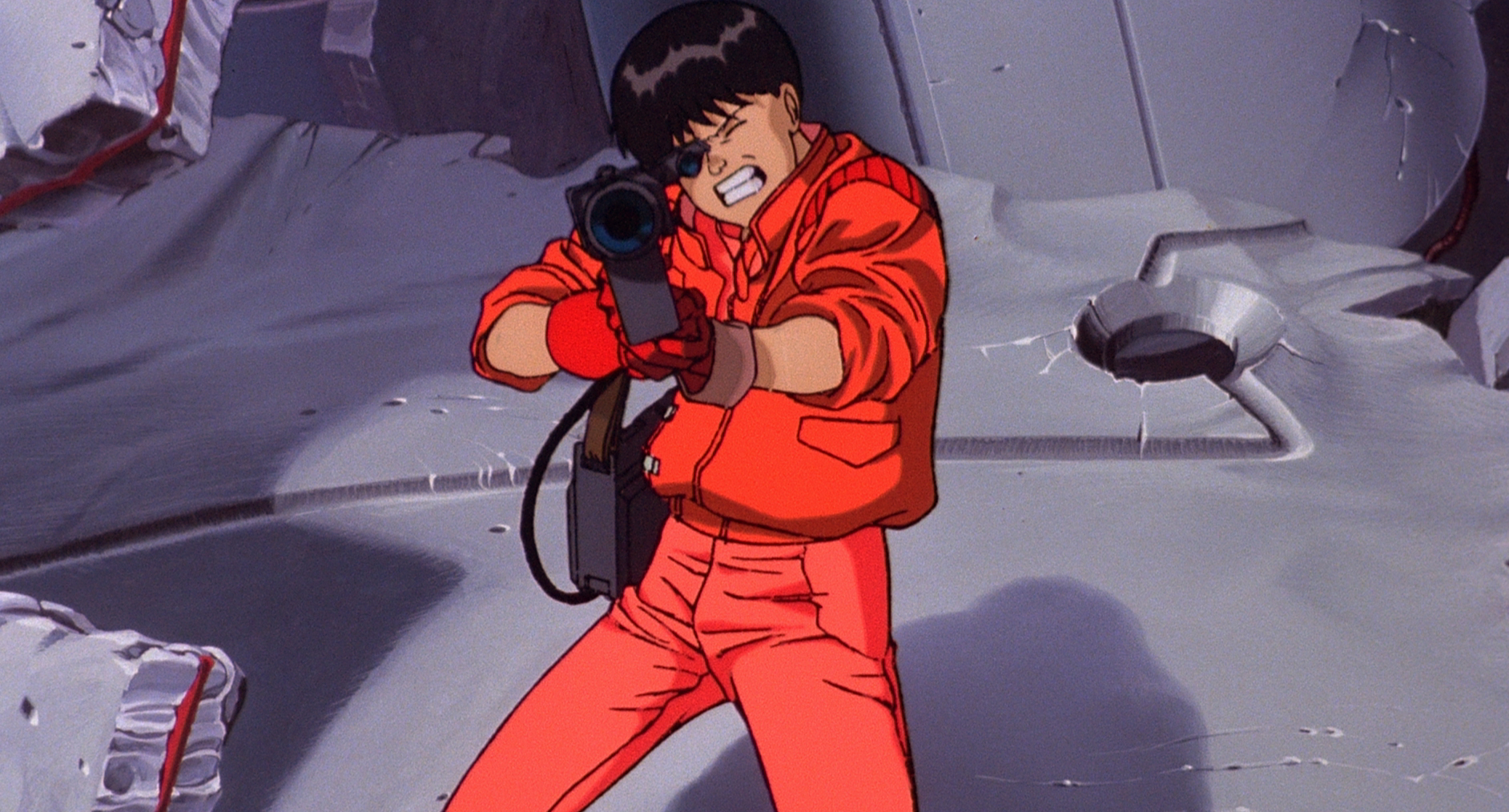
Hollywood’s debt to this masterpiece is never ending. You cannot watch modern sci-fi without seeing its DNA; its influence is so deeply ingrained that it has become the source code for the cyberpunk genre. From the “Akira Slide” being recreated in 100’s of other works such as The Dark Knight and even the 2004 Teenage Mutant Ninja Turtles cartoon, to the trope of the telekinetic youth seen in Stranger Things and Chronicle, Otomo’s fingerprints are everywhere. The gritty, lived-in tech-noir aesthetic paved the way for the visual language of The Matrix and continues to define the genre today.
Verdict
Watching the 4K restoration of AKIRA on the big screen is an experience worth obtaining. Considering the work and scale required to create this in the 1980s, and while some elements may feel dated compared to today’s anime, AKIRA still stands tall among them. The scale of the destruction, the detail in the crumbling skyscrapers, and the sheer horror of the body horror in the final act demand the largest screen possible. It is a visceral, overwhelming experience that reminds you why we go to the movies in the first place: to be dwarfed by something magnificent. If you see a screening near you, do not hesitate; it is a bucket-list cinematic event.
⭐⭐⭐⭐⭐
