

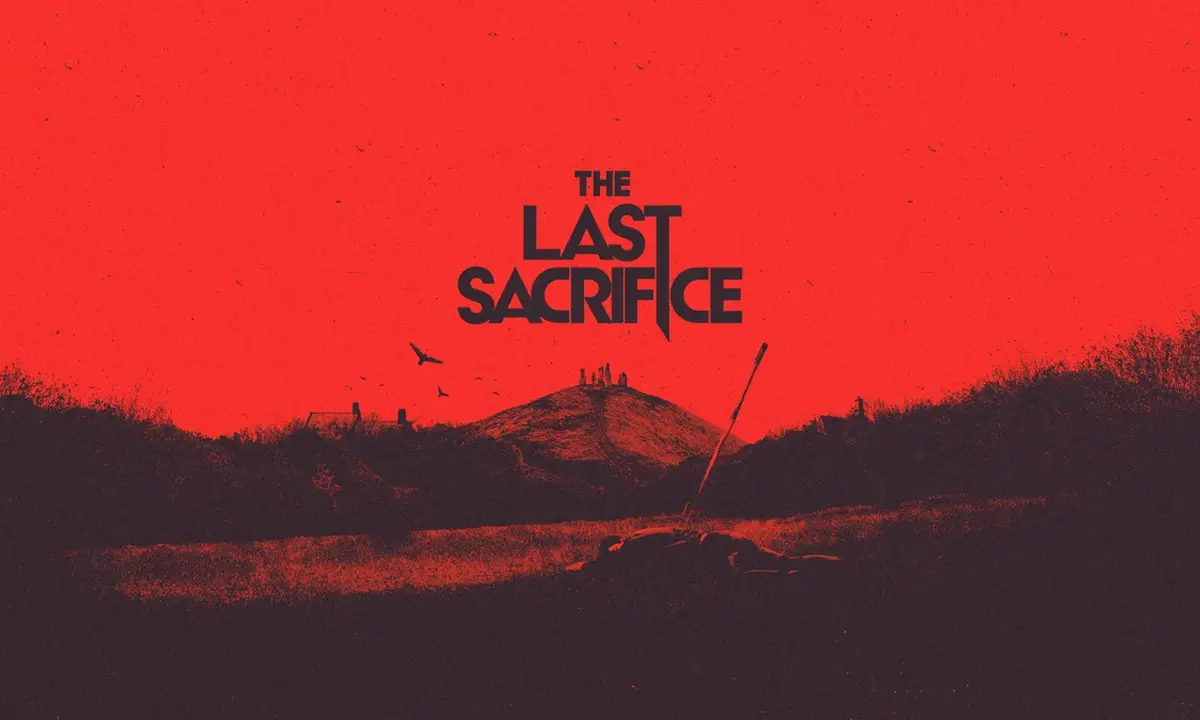
The Last Sacrifice is available to stream on Shudder now.
Synopsis
In 1945 a man is ritualistically murdered in Britain, birthing a cult legend and inspiring a new genre of horror cinema. Discover the origins of folk horror and draw back the veil concealing Great Britain’s shadowy history with the occult.
Review
“Who killed Charles Walton? And most intriguingly… why?”
This question, posed by actor and film historian Jonathan Rigby, sets the stage for the mystery at the heart of The Last Sacrifice. What follows is an effortlessly engaging study of one of the most uniquely British murders outside of Jack the Ripper’s multiple offerings.
Writer and director Rupert Russell really had to juggle three different films here: a true crime epic, an exploration of British paganism and a love letter to the folk horror genre of films which found prominence in the early 70s.
By and large he juggles the three well, though it seems he had to sacrifice (pun intended, I think) a little of one in favour of the other two. Ultimately, however, this didn’t detract from a fun and informative experience, and I’d happily recommend The Last Sacrifice to anyone with even a passing interest in British history, true crime or the occult.
Now, please be warned that I’m about to discuss some potentially disturbing subjects, such as murder, black magic and the swinging 60s – reader discretion is advised.
On February 14th, 1945, 74 year-old farm labourer, Charles Walton, was brutally murdered in a field in the Cotswolds, England. The nature of his murder, and the subsequent response (or lack thereof) of the local townspeople, eventually led authorities, and national experts, to believe it was motivated by black magic.
This murder would later inspire a multitude of “folk horror” films, perhaps most notably The Wicker Man, in which many scenes are almost 1:1 recreations of police reports from the famous detective Robert Fabian, who was never able to solve the mystery.
Russell doesn’t drop you into the dates, locations and criminal motivations right away, but rather sets about establishing the tone of not only his film, but of the folk horror genre in general.
He does this by showing old, black and white footage of what appears to be a tourist’s guide to the Cotswolds. It presents to us the “idyllic picture box English village” mentioned later in the film, with quaint houses, tidy gardens and simple, friendly Christians waving and smiling.
After a while this footage is intercut with shots of satanic imagery and profane symbols; ritual murder and bloody offerings to old, forgotten gods.
The contrast between images of the cute English countryside and occult iconography perfectly underline what makes folk horror so effective as a genre – the grotesque and divergent clashing with the pleasant and orderly.
It’s from here that the context of the crime is delivered, and it’s presented to us in a very compelling and digestible way. Vintage footage representing the movements of Charles Walton, complete with film grain and crackles, is intersected with clips of scenes from the folk horror films that the event inspired.
As the facts are presented to us we’re shown a range of establishing shots, maps and diagrams of relevant locations, effectively communicating everything the viewer needs to know to keep the story streamlined and coherent.
Whenever the case picks up – introducing a new character or a new motive – so does the music. The backtrack had a surprising amount of groove to it, with a steady bass drone and synth pulse that had me bopping my head to the rhythm of Fabian’s investigation.
Whether or not the filmmakers intended this to be my reaction – rather than nail-biting suspense – is unclear, but it turns out I absorb the key details of a horrible murder without any trouble when it’s a funky murder – so a win’s a win, I suppose.
Frequent cuts to newspaper headlines underlined with blood, accompanied by the sound of a camera shutter, really sell the old-timey detective vibe, and talking-head interviews are lit with a red, Suspiria-esque filter, keeping the theme of blood sacrifice – or perhaps ritual firelight – in mind at all times.
As it becomes clearer that the motivations behind the murder may not be simple robbery, we get into a bit more of what I find to be the most fascinating element of the documentary.
There are some really interesting parallels drawn between the “hippie” and “free love” movements of the 60s with the resurgence in interest toward witchcraft.
There’s a further suggestion that these folk horror films of the 70s were essentially a cinematic gag reflex to this cultural shift – a sort of exploitation of the Christian moral panic at the changing of the times.
There’s even reference to a popular 1971 documentary on the practices of real witches, called Sacred Rites. This was supposedly a pretty accurate example of the ceremonies performed around then, and was quite faithfully recreated in many of the folk horror films coming out in the early part of the decade.
A lot of the pagan panic seemed to go hand in hand with the class war and sexual revolution prevalent in 70s Britain. The country was coming apart as a world power as the empire collapsed, and the influx of folk horror films practically encapsulated the madness going on in the collective unconscious.
It’s noted that the obsession many young people had with paganism was possibly a perverse attempt at reclaiming some kind of lost national identity, as a post-war Britain began to transform into something new and strange.
But while The Last Sacrifice does a fantastic job of addressing this cultural phenomenon, and pleasing the true crime crowd and folk-horror aficionados all at once, it falls a bit short in its representation of regular pagans, and the more grounded reality of witchcraft.
This is especially odd as it features a handful of occult specialists as contributors, who speak at length about some of the misconceptions about witches, but are never given much screen time to elaborate on some of the more benign elements of their practices.
Which, in fairness, isn’t particularly surprising. This is a documentary streaming on Shudder, dripping in atmosphere and focused on the sensationalist version of witchcraft. And that’s really what most people will be hoping to see when they sit down to watch this. At the end of the day, benign witches aren’t very exciting.
But it does lead to a bit of a tonal clash when you hear an expert on the occult comment on the parking situation around a sacred, magical site, while creepy, mysterious music thrums in the background. The filmmakers very clearly want to sell you on the spooky scary brand of paganism, and that’s fine, but it’s sometimes at odds with the historian’s more measured take.
There’s also little mention of witchcraft in relation to feminism, which is a shame, given how relevant the idea of the witch is to women’s history. There’s a brief nod to how the “old hag” trope was sort of reclaimed by young witches in the 60s and 70s, but it seems a little odd not to delve more into it.
Russell touches on the topic only slightly and it’s primarily to show how witches are sexy now, rather than to dedicate four or five minutes to properly highlight how the newfound agency of English women could have prompted the surge in modern paganism.
These are just a few things I personally would’ve liked to have seen covered in greater detail, but I can fully understand that a deep and thorough analysis of modern paganism was not this film’s primary concern.
As an examination of a compelling murder case and extensive history on folk horror, though, it excels on every level – and that’s really more than enough.
Verdict
The Last Sacrifice is not only a dedicated love letter to the folk horror genre, but also a fascinating window into a culturally vital and profoundly unique part of British history. For horror fans, true crime nuts, or those looking to scratch an itch for the occult, this is the film to see.
⭐⭐⭐⭐
