

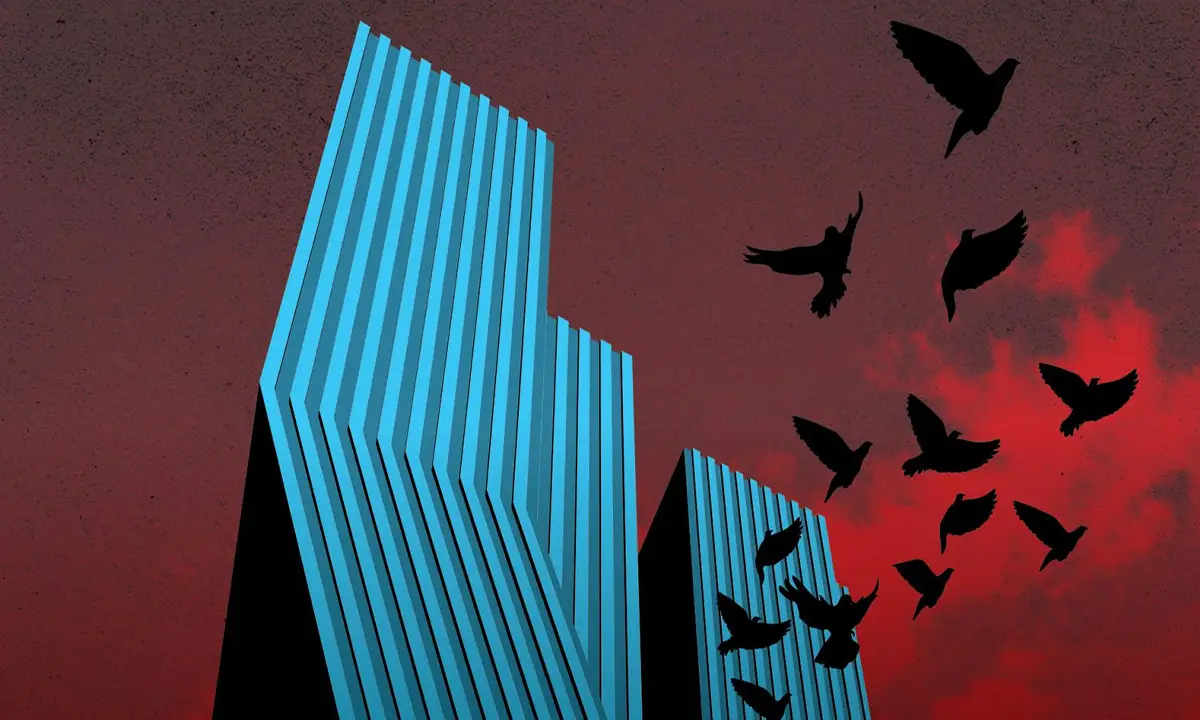

Rivennia: A Game of Wagers is written by Jaime Urencio and published by Sunrise & Rooster Press. A politically charged work of speculative science fiction, it explores genetic engineering, power, and autonomy in a near-future world where evolution has become a tool of the state.
Rivennia: A Game of Wagers is expected to be published on 12 February 2026 and will be available in paperback, ebook, and Kindle editions from major retailers, including Amazon UK.
Synopsis
EVOLUTION IS NO LONGER NATURAL – IT’S POLITICAL
When Gren Moritz is elected head of the global government of Rivennia, he is ridiculed and isolated by others in power for his stance against the rise in genetic engineering. Following his inauguration, Gren is lured into the dark shadows of the Liffdom Lodges, a covert gambling syndicate that controls Rivennia.
The Lodgers promise political backing, but it comes at a price – Gren must partake in a macabre wager. His fellow players are anxious analyst Samuel Rosendale and sharp-tongued supermodel Primula Zhang. As the stakes rise and the Lodgers’ true motives come to light, the rivals form an unlikely alliance, forced to navigate a treacherous web of power. The future of civilisation hinges on the choices they make.
Review
Rivennia: A Game of Wagers is the debut novel by author Jaime Urencio, releasing February 14, 2026, and is a riveting, twisty, and politically charged dystopian novel that isn’t to be missed. The team at Get Your Comic On received an advanced copy, and we absolutely devoured this book from front to back.
From the first page, it throws you into a futuristic world that feels unnervingly close to our own reality, blending real-world debates about tech, AI, and bodily autonomy with a sharp dystopian edge. It’s both fun and unsettling, yet thoroughly engaging.
Themes and Premise
This book doesn’t tiptoe around big ideas — it barrels straight into them. Genetic editing, assisted-death programmes, body modification ethics, and the quiet, unnerving influence of the elite all take centre stage. One of the novel’s most compelling moves is how it flips the religion-versus-science debate on its head: science is treated as the unquestioned ideal, while religion is framed as old-fashioned and faintly absurd. It’s a sharp reversal of real-world expectations, and it adds an intriguing layer of tension to the story.
Themes of choice and autonomy run through everything. Characters are repeatedly forced to decide how much control they want over their bodies, their deaths, and their futures — whether that’s editing their genetics, opting into assisted death, or buckling under intense societal pressure. These dilemmas aren’t just philosophical window dressing; they actively shape each character’s journey in ways that feel uncomfortably relevant. It’s deeply dark and profound, offering some thought-provoking concepts to ponder.
World-Building and the Dystopian Twist
What makes this novel particularly effective is how close its dystopia feels to our own world — just nudged slightly off-kilter:
- Arranged marriages
- Factory-grown, engineered food
- Political elites are quietly steering societal change behind the scenes
None of it feels wildly implausible, which somehow makes it more unsettling. This is a world that feels like now, but exaggerated just enough to keep you on edge. Even the language choices stand out: phrases like “oh heavens” or “oh my god” feel oddly jarring in a hyper-rational, science-led society, subtly underscoring the cultural tensions the author has woven in.
Characters and Multiple Perspectives
A washed-up model, a politician, a politician’s wife, and a data analyst walk into a secretive game they are utterly unprepared for — it sounds like a Christmas work do gone badly wrong.
The story alternates between Gren Moritz, Moritz’s wife, Samuel Rosendale, and Primula Zhang. Multiple POVs can be a gamble, but here they’re handled with confidence and clarity. Each character has a distinct identity:
- A political party leader
- An office-based data analyst
- A high-profile model
- A politician’s quietly observant farm wife
Their paths collide in unpredictable ways, and each perspective offers fresh insight into the unsettling “Wager” cult. The contrast between these lives — in status, power, and worldview — creates a constant undercurrent of tension, making the world feel layered and alive.
Urencio handles the shifting perspectives with real skill. Each voice feels distinct, complete with its own rhythms, priorities, and blind spots, while the pacing remains tight throughout. Chapters reveal just enough to keep you hooked, and the careful layering of information builds suspense without ever feeling heavy-handed.
Politics and Relevance
This novel leans heavily into political territory. If politics isn’t your thing, this may not be your cup of tea. That said, readers who enjoy behind-the-scenes power plays, high-stakes systems, and the quiet manipulation of society will find plenty to engage with here.
Its relevance to the real world is hard to ignore. Genetic editing, AI, societal pressure, and autonomous choices such as assisted death aren’t simply thematic flourishes — they’re central to how characters live, decide, and survive. The result is a story that feels disturbingly close to home, asking questions we’re already grappling with, just in a sharper, more speculative frame.
Verdict
Overall, Rivennia: A Game of Wagers is a twisty, thought-provoking, and engaging story that keeps you on your toes. Its complex characters, layered perspectives, and richly imagined world make it a standout in the sci-fi genre. It’s political, thrilling, and unafraid to explore morally and socially complex issues—all while keeping you thoroughly entertained.
⭐⭐⭐⭐
